Skip to content


Sustainable garden maintenance does not mean allowing an outdoor space to become overgrown or replacing every piece of equipment you own. In many cases, sustainability is about maintaining gardens more efficiently: reducing unnecessary waste, extending machinery life, using water carefully and making informed decisions about how lawns and plants are managed.
For homeowners and professional grounds teams alike, small changes to routine maintenance can reduce resource use without compromising the appearance or usability of an outdoor space.
Sustainable Garden Maintenance Starts With Using What You Have
Replacing functioning garden machinery purely because a newer option is available can generate unnecessary waste.
Regular servicing can help extend equipment life and identify components that can be repaired or replaced before a larger failure occurs.
Cutting Edge Machinery notes that common maintenance tasks such as removing grass build-up, keeping blades sharp, maintaining appropriate fuel or battery care and storing equipment correctly can improve mower reliability and longevity.
Before replacing a machine, consider:
- Its overall mechanical condition
- Availability of replacement parts
- Frequency of breakdowns
- Repair cost compared with replacement
- Fuel or battery efficiency
- Whether the equipment still suits the work required
Repairing and maintaining suitable equipment can often be a more resource-conscious choice than premature replacement.
Make Mowing Part of Sustainable Garden Maintenance
How you mow can influence both the health of your lawn and the amount of work required to maintain it.
Cutting too short can stress grass and may increase its vulnerability during hot or dry conditions. Instead, adjust mowing height according to growth and weather conditions.
Regularly removing a manageable amount of grass is also easier on mowing equipment than repeatedly tackling heavily overgrown lawns.
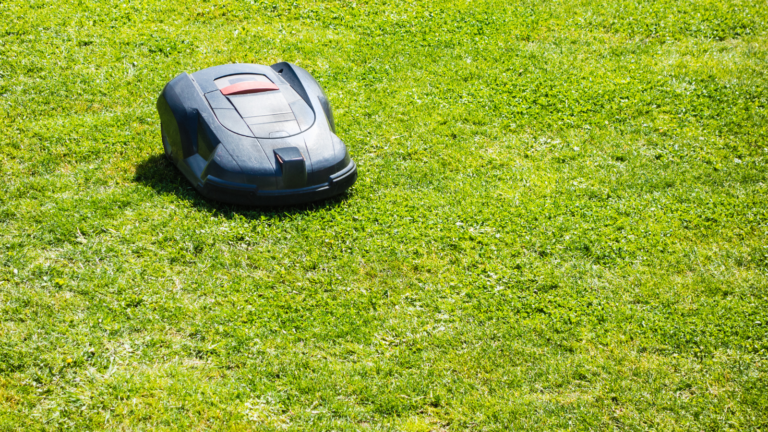
Where appropriate, mulching grass clippings can return organic material to the lawn rather than producing bags of garden waste. Robotic mowers commonly use this principle by frequently removing very small grass clippings and returning them to the lawn.
Reduce Water Waste in the Garden
Water is another important consideration in sustainable garden maintenance.
Rather than watering every section of a garden according to the same schedule, concentrate on areas that genuinely need additional moisture.
Established plants with extensive root systems may require different treatment from newly planted borders or containers.
Other useful practices include:
- Watering during cooler periods of the day
- Monitoring rainfall before irrigating
- Collecting rainwater where practical
- Improving soil with organic matter
- Avoiding unnecessary watering of established plants
- Checking hoses and fittings for leaks
Encouraging healthy root systems can also help plants make better use of naturally available moisture.
Consider Battery-Powered Garden Machinery
Cordless equipment has become increasingly capable across lawn mowing, trimming and other garden tasks.
For suitable applications, battery-powered machinery removes the need for petrol during operation and can provide quieter equipment for residential environments.
Robotic lawn mowers are another battery-powered option.
However, sustainability should still be considered across the entire life of the machine. Batteries should be maintained correctly and ultimately disposed of or recycled through appropriate routes.
When comparing equipment categories, looking at different lawn mower technologies and garden machinery can help homeowners consider which power source and machine format best suit the scale of their garden rather than simply selecting the largest available option.
Reduce Garden Waste Where Practical
Grass cuttings, leaves and pruned plant material make up a significant proportion of routine garden waste.
Some organic material can be composted instead of removed from the property, depending on the type of waste and available space.
Compost can later contribute organic matter to beds and borders, creating a useful cycle within the garden.
However, diseased plant material and certain invasive weeds should be handled appropriately rather than automatically added to home compost.
Sustainable Garden Maintenance Requires the Right Equipment
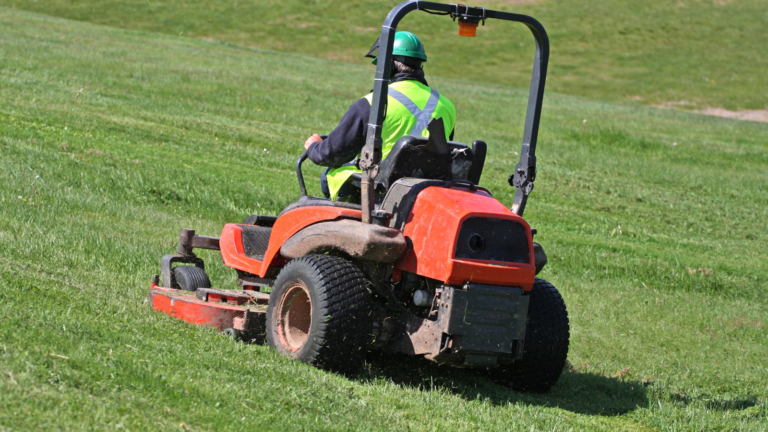
Using a machine that is significantly oversized for a small garden can be inefficient, while equipment that is underpowered for commercial or extensive groundcare work may operate under excessive strain.
Matching machinery to the job can improve performance and reduce unnecessary wear.
Cutting Edge Machinery supports homeowners, landscapers, contractors, estates and other professional users with machinery sales, servicing, repairs, hire and aftercare, allowing equipment requirements to be assessed according to the work involved.
Final Thoughts
Effective sustainable garden maintenance comes from making better long-term decisions rather than pursuing a perfectly maintenance-free garden.
Looking after existing machinery, mowing intelligently, reducing water waste, reusing organic materials and selecting appropriately sized equipment can all make garden maintenance more efficient.
Sustainability and good groundcare do not have to compete. In many cases, the practices that reduce unnecessary waste also help create healthier gardens and more reliable machinery.
Want to make your garden or groundcare routine more efficient? Contact Cutting Edge Machinery for expert advice on machinery sales, servicing, repairs, hire and robotic mower solutions suited to your maintenance requirements.