Skip to content


Achieving a healthier garden is rarely about making one major change. The best results usually come from combining consistent lawn care, healthy soil, sensible watering, plant maintenance and the correct use of garden machinery. Whether you maintain a small domestic garden or a larger outdoor space, understanding how these elements work together can help create stronger grass, healthier plants and a more manageable garden throughout the year.
Rather than reacting only when the lawn becomes patchy or plants begin struggling, preventative maintenance can make garden care considerably easier.
Start Achieving a Healthier Garden With Better Soil
Healthy plants begin below ground. Soil provides roots with water, nutrients and oxygen, meaning compacted or poorly structured soil can restrict plant development.
Heavy foot traffic and machinery can gradually compress soil, particularly around lawns, pathways and frequently used areas. Aerating compacted ground creates spaces through which water and oxygen can penetrate more effectively.
Organic matter can also improve soil structure. Depending on the area being maintained, suitable compost or well-rotted organic material can help improve nutrient availability and moisture retention.
Before applying fertiliser, consider what the plants actually require. More fertiliser does not automatically mean healthier growth, and different areas of a garden may have very different nutritional requirements.
Achieving a Healthier Garden Through Better Lawn Care
The lawn is often one of the largest planted areas in a garden, making mowing technique an important part of overall garden health.
Repeatedly removing too much grass at once can place unnecessary stress on the plant. Cutting Edge Machinery’s existing lawn-care guidance recommends avoiding the removal of more than around one-third of the grass height during a single mowing session.
A healthier mowing routine should include:
- Mowing regularly during active growth
- Adjusting cutting height according to conditions
- Avoiding excessively short cuts during dry periods
- Keeping mower blades sharp
- Removing excessive build-up beneath the mower deck
- Allowing damaged or newly seeded areas time to establish
Sharp mower blades are particularly important because they produce a cleaner cut and reduce unnecessary strain on both the lawn and machinery.
Water Plants According to Their Needs
One of the easiest gardening mistakes is treating every plant identically.
Established shrubs, newly planted flowers, lawns and containers can all have different watering requirements. Newly established plants generally require closer monitoring because their root systems have not yet spread as widely through the soil.
When watering established areas, aim to encourage moisture to reach the root zone rather than repeatedly dampening only the surface. Very frequent shallow watering can encourage roots to remain close to the top of the soil.
During warmer periods, watering earlier or later in the day can also reduce the amount of moisture lost through evaporation.
Keep Plants Healthy Through Pruning and Maintenance
Removing dead, damaged or diseased growth helps keep plants manageable while improving their overall appearance.
Pruning requirements vary significantly between species, however, so avoid assuming every shrub or hedge should be cut back at the same time or in the same way.
Correct equipment matters as well. Secateurs, hedge trimmers, chainsaws and other cutting machinery should be appropriate for the size of material being removed.
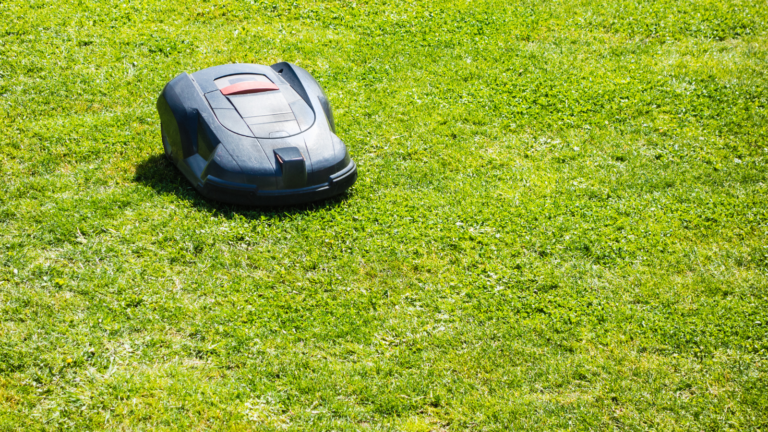
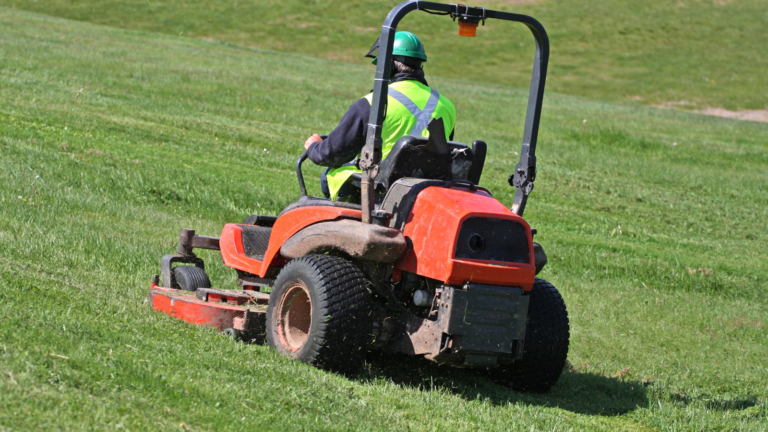
For homeowners considering different equipment for routine lawn and garden work, resources covering lawn mower and garden machinery options can also help demonstrate how choosing machinery suited to the size and layout of a garden affects day-to-day maintenance.
Use Well-Maintained Garden Machinery
Achieving a healthier garden also depends on the condition of the equipment being used.
Cutting Edge Machinery recommends routine cleaning, blade maintenance and professional servicing because neglected equipment can suffer from reduced efficiency, corrosion and mechanical problems.
Before using garden machinery, check:
- Blades and cutting components
- Cables and controls
- Fuel or battery condition
- Air filters where applicable
- Guards and safety features
- Build-up of grass or debris
Preventative servicing can identify developing problems before they become major faults.
Final Thoughts
Achieving a healthier garden requires consistency rather than constant intervention. Improving soil conditions, mowing correctly, watering appropriately, maintaining plants and keeping machinery in good working order can all contribute to stronger, more resilient outdoor spaces.
A well-maintained garden should also become easier to manage over time because healthier lawns and plants are generally better equipped to cope with seasonal changes and everyday use.
Need professional advice on garden machinery, repairs, servicing or the right equipment for your outdoor space? Contact Cutting Edge Machinery today to speak to the team about keeping your machinery – and your garden – performing at its best.