Skip to content


Properly maintaining garden plants is one of the most important aspects of creating an attractive and healthy outdoor space. Whether you’re caring for a residential garden, commercial landscape, public park, or estate, regular plant maintenance helps improve appearance, encourages stronger growth, and prevents common problems before they develop.
Many plants require more than occasional watering to thrive. Understanding how seasonal changes affect growth and knowing when to prune, feed, or protect plants allows gardens to flourish throughout the year. By following a consistent maintenance routine, you’ll enjoy healthier plants and reduce the need for costly replacements.
Why Maintaining Garden Plants Is So Important
Regularly maintaining garden plants ensures they receive the care they need to remain healthy and resilient.
Without routine maintenance, plants can suffer from:
- Nutrient deficiencies
- Pest infestations
- Plant diseases
- Overcrowding
- Poor flowering
- Weak or uneven growth
Healthy plants are generally better equipped to withstand changing weather conditions and recover from environmental stress, making preventative care far more effective than reactive treatment.
Essential Tips for Maintaining Garden Plants
There are several simple ways to improve the health of your outdoor planting scheme while making long-term maintenance more manageable.
When maintaining garden plants, focus on:
- Watering consistently during dry periods
- Applying mulch to retain moisture
- Feeding plants with suitable fertilisers
- Removing weeds that compete for nutrients
- Monitoring for signs of pests or disease
These small but consistent tasks help establish stronger root systems and encourage healthier growth throughout the growing season.
Pruning and Deadheading When Maintaining Garden Plants
Pruning is one of the most valuable techniques when maintaining garden plants.
Removing dead, damaged, or overcrowded growth improves airflow, encourages fresh shoots, and helps many plants produce more flowers.
Deadheading flowering plants also extends blooming periods by encouraging plants to focus their energy on producing new flowers rather than seeds.
However, different species require pruning at different times of the year, so understanding the needs of individual plants is essential.
Soil Health Plays a Vital Role
Healthy plants begin with healthy soil.
An important part of maintaining garden plants involves improving soil quality through regular care.
Consider:
- Adding organic compost
- Improving drainage where required
- Testing soil pH if plants are struggling
- Replacing depleted nutrients with seasonal feeding
Healthy soil provides plants with the nutrients, moisture, and oxygen needed for strong root development.
Choosing the Right Equipment for Plant Maintenance
The right equipment can make maintaining garden plants more efficient while reducing unnecessary strain on plants.
Useful tools include:
- Hand pruners
- Hedge trimmers
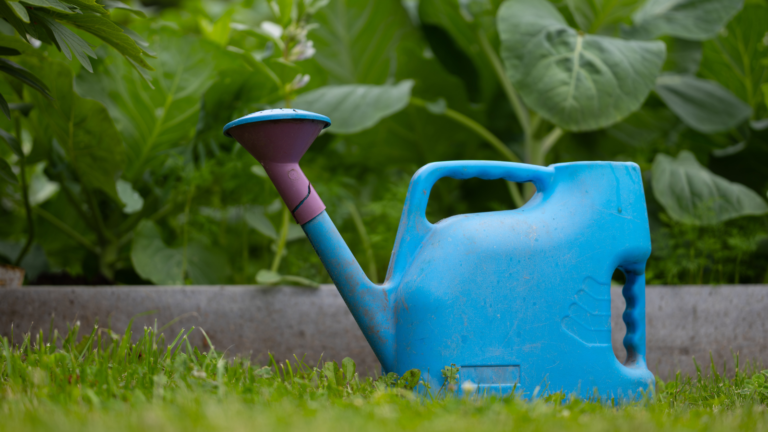
- Watering systems
- Mulching equipment
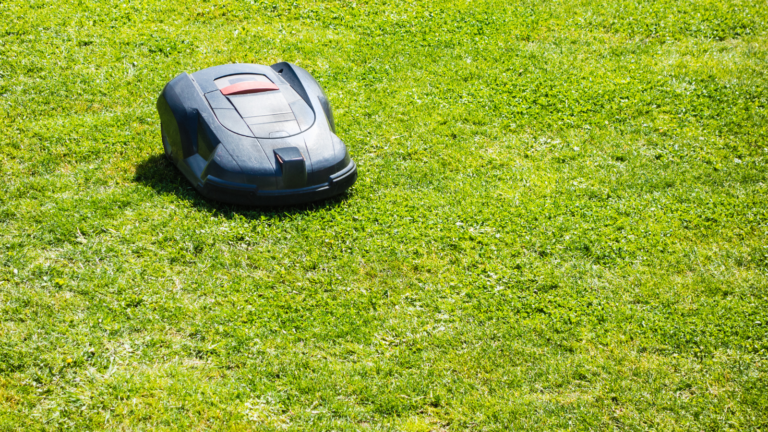
- Lawn and grounds maintenance machinery
For larger gardens, estates, or commercial landscapes, professional machinery can significantly reduce maintenance time while improving overall results.
Reliable mowing equipment also supports healthier planting areas by keeping surrounding lawns and green spaces well maintained. Expert resources provide useful guidance on selecting and maintaining lawn care equipment that complements wider garden maintenance.
Seasonal Considerations for Maintaining Garden Plants
Every season brings different maintenance priorities.
Spring is ideal for feeding, planting, and encouraging new growth.
Summer focuses on watering, pruning, and weed control.
Autumn provides an opportunity to tidy borders, divide perennials, and prepare gardens for colder weather.
Winter is often the best time to inspect planting schemes, protect vulnerable plants, and plan improvements for the following growing season.
Adapting your maintenance routine throughout the year helps gardens remain healthy regardless of seasonal conditions.
Final Thoughts
Successfully maintaining garden plants requires consistency, attention to seasonal changes, and the right tools for the job. Regular watering, pruning, feeding, and soil care all contribute to stronger, healthier plants that enhance the appearance of any outdoor space.
Whether you’re caring for a domestic garden or managing larger landscaped areas, investing in proper maintenance will deliver lasting results.
Contact Cutting Edge Machinery today to discover professional grounds maintenance equipment designed to help you care for gardens, landscapes, and outdoor spaces efficiently throughout the year.